


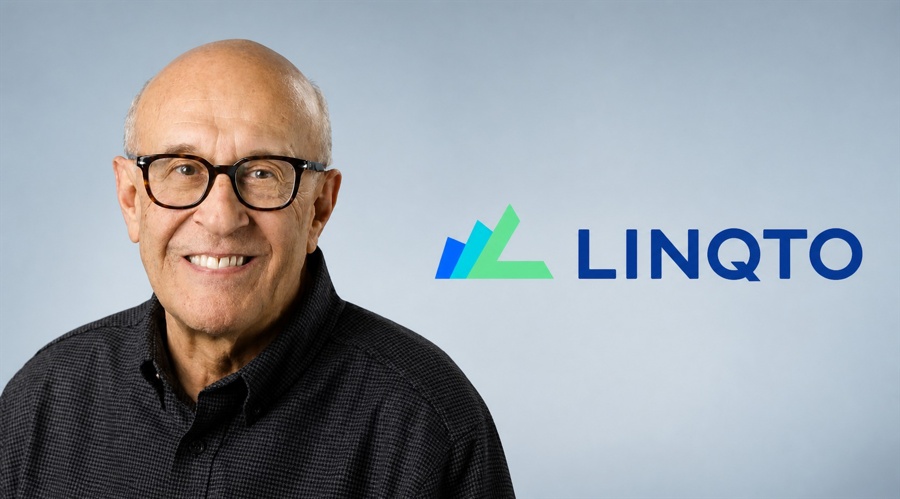
US prosecutors charged Linqto founder William Sarris yesterday (Wednesday) over an alleged $450 million pre-IPO investment fraud. Former Chief Executive Officer Joseph Endoso has pleaded guilty and is cooperating with the government.
Private-company shares do not have the transparent prices available on public exchanges. Linqto customers did not buy the shares directly.
Prosecutors say more than 13,000 customers bought exposure through special-purpose vehicles while Linqto controlled both the available inventory and the price shown on its platform.
Prosecutors Target Linqto’s Pricing Model
The US Attorney’s Office for the Southern District of New York unsealed a six-count indictment against Sarris. The charges include securities fraud, broker-dealer fraud, wire fraud and conspiracy.
Endoso, who succeeded Sarris as CEO after serving as president, pleaded guilty on August 27 to securities fraud, broker-dealer fraud and two conspiracy counts. The Department of Justice said he is cooperating.
“William Sarris is innocent of these charges and intends to defend himself,” his lawyer, Tim Treanor, told Reuters. A lawyer for Endoso did not immediately respond to the news agency’s request for comment.
[#highlighted-links#]
Sarris is presumed innocent unless proven guilty. The allegations against him cover conduct from 2020 through 2025.
Median Markup Reached About 60%
Linqto acquired shares in private companies and sold customers units in special-purpose vehicles that provided economic exposure to those shares. For popular issuers, Linqto created hundreds of them, according to the indictment.
The spread was Linqto’s revenue. Prosecutors allege the median markup over its acquisition price was about 60%. More than one-quarter of sales carried markups above roughly 80%, while some exceeded 200%.
Linqto also allegedly displayed offerings as sold out when inventory remained. Prosecutors say the tactic created fear of missing out and allowed the company to raise the price of the remaining interests.
An Automated Market Maker introduced in 2023 was presented to customers as pricing securities through supply and demand. The indictment says it was not fully automated and that Sarris changed its parameters to increase daily revenue.
Two lawyers told Sarris that Linqto’s transaction-based compensation could require broker-dealer registration, prosecutors allege. Linqto obtained approval for a broker-dealer entity in 2023.
The registered entity sat largely unused while Linqto continued routing most offerings through a separate company.
The vehicle structure also had a regulatory purpose, according to the indictment. Linqto capped each special-purpose vehicle at 99 investors, then created another for the same issuer. Prosecutors say this was intended to avoid registration and fee disclosures under the Investment Company Act.
Customer Shares Enter the Criminal Case
Prosecutors allege the pricing practices also increased Linqto’s reported revenue and the potential value of Sarris’s equity. His 2023 compensation package included about 1.9 million restricted units that would vest after a qualifying sale, listing or capital raise valued at $500 million or more.
By January 2025, prosecutors say Sarris tendered more than $18 million of shares already allocated to customer vehicles without obtaining their consent or notifying them. Linqto suspended its platform in March and sought Chapter 11 protection in July.
A first-day bankruptcy filing said the company held securities in 111 private businesses with an estimated fair value above $500 million. New management said it found historical securities-law problems and questions about what customers owned.
Private-Market Access Comes in Different Forms
Linqto’s model is one of several routes used to put private-company exposure in individual accounts. FinanceMagnates.com has mapped direct allocations, tokenized claims, derivatives and private-market vehicles, which carry different ownership and pricing rights.
Webull, for example, gives accredited investors access to late-stage companies through special-purpose vehicles. Each vehicle is limited to 99 eligible investors, a threshold that also appears in the Linqto indictment.
European platforms are widening access through fund structures. Trade Republic partnered with Apollo and EQT to offer private-market funds from EUR 1, while fund managers warned FinanceMagnates.com about liquidity and mis-selling risks.
Tokenized products add another layer between the buyer and the company. Robinhood’s 2025 OpenAI and SpaceX tokens drew questions from the Bank of Lithuania, and OpenAI said the tokens were not its equity.
Under Linqto’s reorganization plan, customers may choose between interests in a liquidating trust and a publicly listed closed-end fund holding private-company shares. A Texas bankruptcy judge confirmed the plan on February 13.
This article was written by Damian Chmiel at www.financemagnates.com.Retail FXRead More
You might also be interested in reading NBA Extends Partnership With Meta to Bring Basketball Games to the Metaverse.