


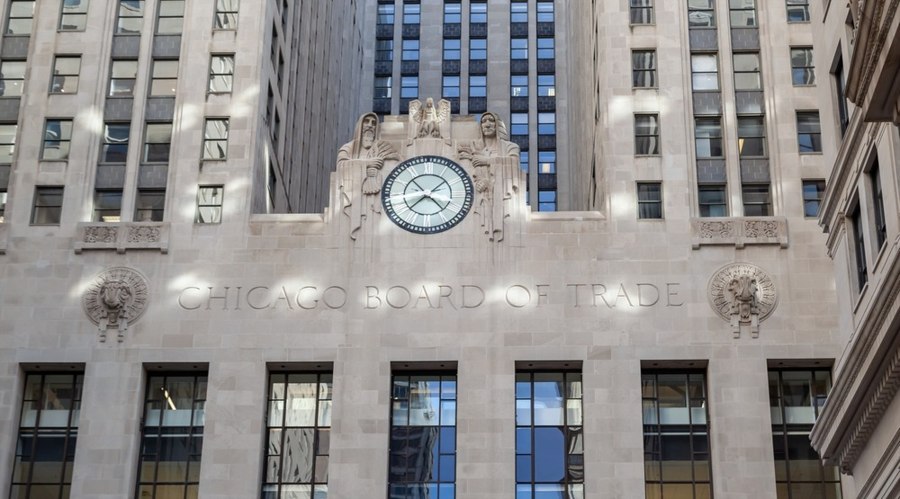
Cboe postponed the expanded-hours launch for selected equity options that was due to begin today (Monday). The exchange removed the August 17 start date and has not announced a replacement.
Until Cboe sets a new date, traders cannot use the planned session to trade listed options on Nvidia, Apple, Tesla and other heavily traded stocks before Wall Street opens. The missing window also delays an exchange-based source of implied volatility and options flow during the equity premarket.
The postponement is separate from Cboe’s proposal to bring near 24-hour stock trading to its EDGX equities exchange. That project targets December 2026, subject to regulatory approval and industry readiness.
August 17 Launch Replaced With TBD
Cboe Options Exchange (C1) changed the start date to “TBD” in an August 10 schedule update. It also removed dates for two planned customer weekend tests and said another notice would precede the launch.
Cboe has delayed the launch of extended-hours trading for single-stock options, moving the August 17 start date to “TBD.” pic.twitter.com/GFQ3Pcxus9
— Andrew Hiesinger (@AndrewHiesinger) August 16, 2026
The exchange did not give a reason for the latest postponement. Cboe had first targeted July 13, then moved production to August 17.
The planned Global Trading Hours (GTH) session would run from 7:30 a.m. to 9:25 a.m. Eastern Time, followed by regular trading from 9:30 a.m. to 4:00 p.m. A separate Curb session would extend trading to 4:15 p.m.
Cboe’s anticipated list contains 21 symbols: AAPL, AMD, AMZN, AVGO, BABA, BAC, GOOG, GOOGL, HOOD, INTC, META, MSFT, MU, NFLX, NOK, NVDA, ORCL, PFE, PLTR, TSLA and TSM.
The list is not final. Under eligibility rules approved by the Securities and Exchange Commission (SEC), Cboe may change the designated classes.
Only limit orders would be accepted during GTH and Curb. Market, stop and stop-limit orders would be rejected, while trades from those sessions would not count toward the daily high or low.
The Cboe trading floor would remain closed.
Maksymilian Bączkowski, an editor at Comparic.pl who also works at AI Investments as a Senior Quantitative Analyst, said the planned session could add an earlier layer of price discovery.
[#highlighted-links#]
“Initially, I would view this market primarily as an additional source of information,” Bączkowski told FinanceMagnates.com exclusively.
He said implied volatility, skew and flow could help traders assess premarket positioning, but lower liquidity and wider spreads would make individual transactions harder to interpret. The session should not initially be treated as equivalent to regular trading, he added.
Other Options Exchanges Follow the Same Window
Nasdaq MRX received SEC approval on June 26 for extended sessions covering eligible equity options and its NDX, NDXP and XND index options. Its planned equity-options windows also run from 7:30 a.m. to 9:25 a.m. and from 4:00 p.m. to 4:15 p.m.
The Securities Industry and Financial Markets Association (SIFMA) noted operational differences between the two models. Cboe plans to route orders to better-priced markets. Nasdaq MRX would not route during its extended session.
The Nasdaq venue also plans to include eligible exchange-traded fund options.
NYSE American filed its own extended-hours proposal on June 16. The SEC extended its review period on July 30, leaving that application pending.
The options projects follow a broader push to lengthen access to US shares. FinanceMagnates.com previously reported that NYSE Arca sought a 22-hour weekday schedule, while Nasdaq later received approval for a 23-hour model.
The SEC approved Cboe’s equity-options rule change on May 28. It allows Cboe to select up to 100 classes meeting volume and market-capitalization tests. The launch notice anticipates 21 symbols.
Each class must average at least 150,000 contracts a day over the prior six months. The underlying stock must have a market capitalization of at least $50 billion and average daily volume of at least 10 million shares.
As of Monday, C1’s production reference file still listed only SPX, VIX, XSP and RUT as eligible for GTH and Curb trading.
This article was written by Damian Chmiel at www.financemagnates.com.Retail FXRead More
You might also be interested in reading Bitcoin Technical Analysis: Mixed Signals Keep BTC Below $60K, Short-Term Rebound Possible.