


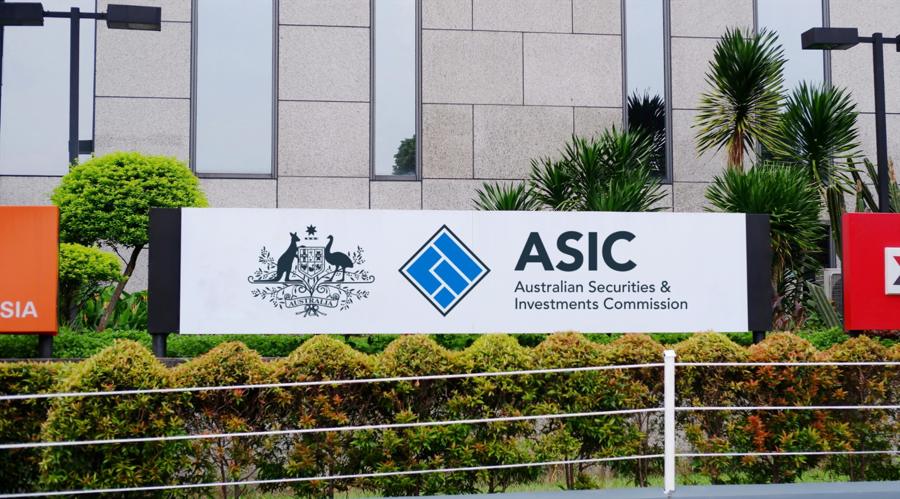
Australia’s corporate regulator proposed today (Thursday) to replace its 42-page guidance on sell-side research with an eight-page, principles-based document. The Australian Securities and Investments Commission said the rewrite should draw more analyst coverage into initial public offerings and other capital raisings.
Sell-side research is the analysis investment banks and stockbrokers hand to clients before they buy, including the notes circulated ahead of a float.
ASIC wants the guide covering it stripped of prescription, part of a cleanup that has already removed more than 9,000 pages of regulatory content.
Analysts Get Closer to Deals as Pay Rules Hold
The draft keeps the harder edges. Analyst pay cannot be tied to corporate advisory revenue, research teams stay physically and technologically separated from advisory and sales desks, and senior management sets research budgets with no advisory input.
Analysts also cannot pitch for capital raising mandates unless they have been wall-crossed, and once they are, they cannot publish on the issuer until the deal completes. ASIC said its expectations on conflicts, inside information and research independence are unchanged.
On analyst involvement in live deals, the draft is direct about the cost. Firms need strong controls and should “avoid them where possible,” the document says of the conflicts created when analysts deal with advisory teams or issuers.
Australia’s Listings Slide Sets the Backdrop
ASIC has spent 18 months on the shrinking public market. It published a discussion paper on public and private markets in February 2025, began a two-year fast-track IPO trial that June, and set out a capital markets roadmap in November.
The regulator has also opened the listings business itself. Cboe won approval in late 2025 to host IPOs and dual listings, ending the ASX’s effective monopoly on new floats.
Retail brokerages sit in the pipeline ASIC is trying to fill. BlackBull Markets, the Auckland-based CFD firm, ran a non-deal roadshow with Barrenjoey, UBS and Forsyth Barr ahead of a possible listing in Sydney and Wellington.
London Rewrote Its Research Rules First
The UK came at the same problem from the payment side. The Financial Conduct Authority proposed letting asset managers bundle research and execution payments again in April 2024, unwinding part of the MiFID II regime that forced research to be priced separately from trade execution.
London rebuilt its listing rulebook in the same stretch. The FCA replaced the premium and standard segments with a single listing category in July 2024.
Simplification programs are running in parallel elsewhere. ASIC’s progress report in May said email lodgement had expanded to 88 forms and that roughly 45,000 paper filings a year had been eliminated, while ESMA has said MiFID II disclosure rules were pushing retail investors out of capital markets.
Two Consultations, One Month to Respond
One piece is left open. ASIC asked for views on how valuation information appears in investor education reports, the analyst notes released before a prospectus is lodged, and on whether corporate advisory teams should be allowed to fact check drafts.
The draft bars advisory teams from that step, leaving it to compliance, legal advisers and the issuer with all valuations redacted. Anyone arguing for something looser has been told to explain how it would support IPO activity and what controls would come with it.
A second consultation landed the same day. ASIC proposed remaking the instrument that exempts low-volume financial markets from holding an Australian market licence, lifting the transaction value threshold to A$2.5 million (about $1.75 million) from A$1.5 million, a level untouched since 2016.
That instrument sunsets on October 1, the same date as two AFS licensing relief instruments the regulator moved to preserve in May. Feedback on the low-volume paper closes on August 20, a day before submissions on the research guide.
This article was written by Damian Chmiel at www.financemagnates.com.RegulationRead More
You might also be interested in reading Binance US launches low-barrier Ethereum staking ahead of The Merge.