


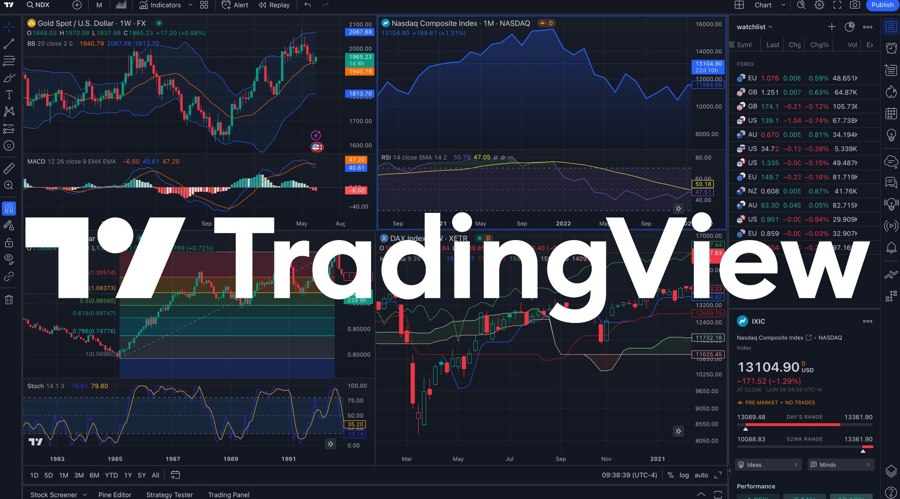
TradingView now aggregates the dollar value of the spot trades it supports into a single volume figure for each cryptoasset. The volume is calculated from trades executed on exchanges available on the platform, and that data is visible on the platform’s own proprietary cryptoasset charts (which are prefixed with CRYPTO:).
Users can apply the standard Volume indicator to see the activity for each individual chart interval. The Crypto Coins Screener also provides a rolling 24 hour figure which enables you to compare assets and filter the market by trading activity.
One View across Multiple Spot Markets
TradingView calculates the metric from the spot pairs that are available via its exchange data feeds. It takes the volume of each pair and converts it into USD, then allocates that volume to both of the assets in the pair.
So trading in ETH/BTC would contribute to the total volume shown for both Ether and Bitcoin. The combined figure can help assess whether a price move aligns with broader market activity.
It can also make comparisons between assets easier when each token trades through a different mix of dollar, stablecoin and crypto pairs.
The figure should not be taken as the total global turnover of the asset. It only covers the qualifying markets that are represented on TradingView.
The company is under no obligation to include all exchanges (some of which may have abnormally high, inflated or duplicated data) or indeed any individual pairs which could skew the calculation.
Futures and perpetual contracts are also excluded. The new metric therefore measures aggregated spot activity rather than total trading across both the spot and derivatives markets.
Market Data Alongside Broker Trading
TradingView also acts as a trading interface for brokers. Clients of Pepperstone, Eightcap and FOREX.com (among others) can link their eligible accounts and place orders via the platform.
For clients looking at crypto there, the new volume figure gives them a view of spot trading across the pairs that TradingView covers, without them having to go and check each pair individually.
It’s on the TradingView CRYPTO: charts, it’s not on the broker’s tradable instrument. To place an order you have to use a symbol that’s supported by your broker. The broker’s quotes and the broker’s liquidity are what determine it.
This article was written by Tanya Chepkova at www.financemagnates.com.Retail FXRead More
You might also be interested in reading Despite Bitcoin Crash, Bitwise Predicts ‘Violent’ Surge Amid Trump’s Tariffs.