


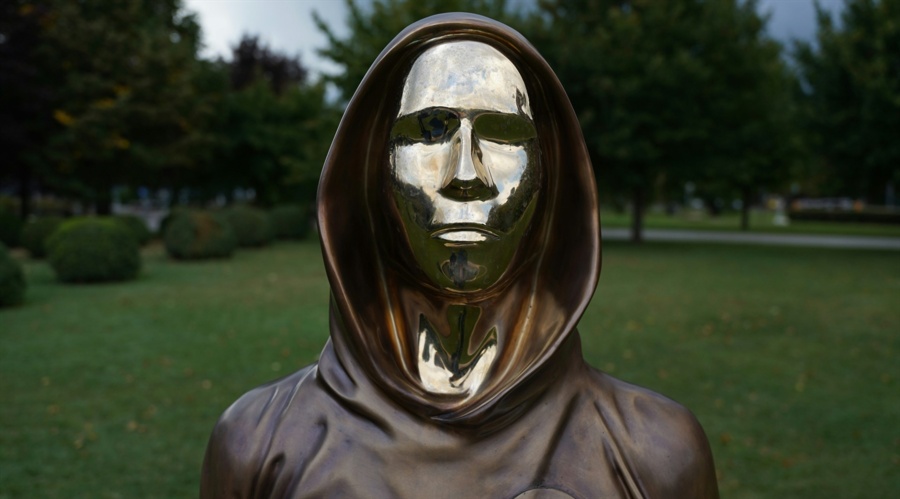
For nearly two decades, Bitcoin’s creator has hidden behind the pseudonym Satoshi Nakamoto, but a new investigation by The New York Times has refocused attention on British cryptographer Adam Back as the most likely person behind the name.
Singapore Summit: Meet the largest APAC brokers you know (and those you still don’t!)
The report relies on a year-long review of technical history and writing patterns, while Back publicly rejects any suggestion that he founded the world’s largest cryptocurrency.
Mysterious Bitcoin inventor Satoshi Nakamoto is ‘unmasked’ as British nerd who could secretly be worth $70bn https://t.co/CO40kxoE8W
— Daily Mail (@DailyMail) April 8, 2026
NYT Investigation Narrows on Adam Back
According to The New York Times, reporters examined decades-old cryptography mailing-list posts, Bitcoin-related messages and other technical writings as part of a forensic review.
The investigation used several forms of text analysis, including stylometry and computational comparison of grammatical habits, to compare known Satoshi writings with material from multiple candidates.
Experts cited by the Times said Back’s texts most closely matched Satoshi’s, although they stopped short of calling the result definitive.
Back, 55, is a British computer scientist and cryptographer known for creating Hashcash, a proof-of-work system that predated Bitcoin and influenced its design. The article notes overlaps between concepts Back discussed in the late 1990s and core elements later described in Bitcoin’s 2008 white paper, including decentralized validation and proof-of-work mining.
The Times also drew on newly surfaced archives from early Bitcoin forums and email exchanges that became public during recent litigation related to competing claims over Satoshi’s identity.
Public Denial and Unresolved Questions
Following publication of the report, Back reiterated on social media that he is not Satoshi Nakamoto. Posting on X, he wrote “I’m not Satoshi” and added that he does not know who Satoshi is, arguing that the continued anonymity supports viewing Bitcoin as a neutral, “mathematically scarce” digital asset rather than a founder-driven project.
i’m not satoshi, but I was early in laser focus on the positive societal implications of cryptography, online privacy and electronic cash, hence my ~1992 onwards active interest in applied research on ecash, privacy tech on cypherpunks list which led to hashcash and other ideas.
— Adam Back (@adam3us) April 8, 2026
He has also previously appeared in the HBO documentary “Money Electric: The Bitcoin Mystery,” where his on-screen discomfort when the subject of Satoshi arose attracted attention but did not produce any hard evidence.
Despite the New York Times’ findings, the investigation acknowledges that any attribution remains circumstantial without on-chain proof. Members of the Bitcoin community have long argued that only movement of coins linked to Satoshi’s early mining activity, estimated at around 1.1 million bitcoins, would provide conclusive confirmation of identity.
Those holdings, now worth tens of billions of dollars, have remained untouched, leaving one of modern finance’s most enduring mysteries officially unsolved.
This article was written by Jared Kirui at www.financemagnates.com.TrendingRead More
You might also be interested in reading China refuses to explain ‘greyed out’ parts of London embassy plan.